
Historic estates provide a connection to the past. There is a responsibility to preserve a unique design carefully planned long ago.
Historic estate preservation presents unique challenges. Mature trees anchor the landscape but may branch in ways that interfere with architectural sightlines or pose storm-damage risks from fallen branches or uprooting. Long-planted perennials may be declining in health or spreading beyond their borders that have declined over time. Hardscaping elements may need repair over the decades of hosting and due to constant shifts from freeze/thaw cycles.
What looks well-maintained today may slowly drift without continuous long-term planning. Routine care addresses immediate visuals, but estate-level properties require a deeper level of monitoring. Soil quality may be in decline. Irrigation systems may be damaged or outdated. Grading issues may increase the risk of flooding.
This guide, designed by our experts, outlines all the steps needed to preserve historic properties in a straightforward, step-by-step manner.
We do this because we believe that preserving historical properties requires more than routine landscape maintenance. We believe that such properties deserve dedicated stewards who respect the estate’s history while planning for the future, so that it may be enjoyed by many generations to come.
If you’re interested in historic estate preservation, read our latest issue of Folio, where we showcase our work regenerating a Frank Lloyd Wright property.
Step 1: Evaluate Your Property As A Living, Maturing System
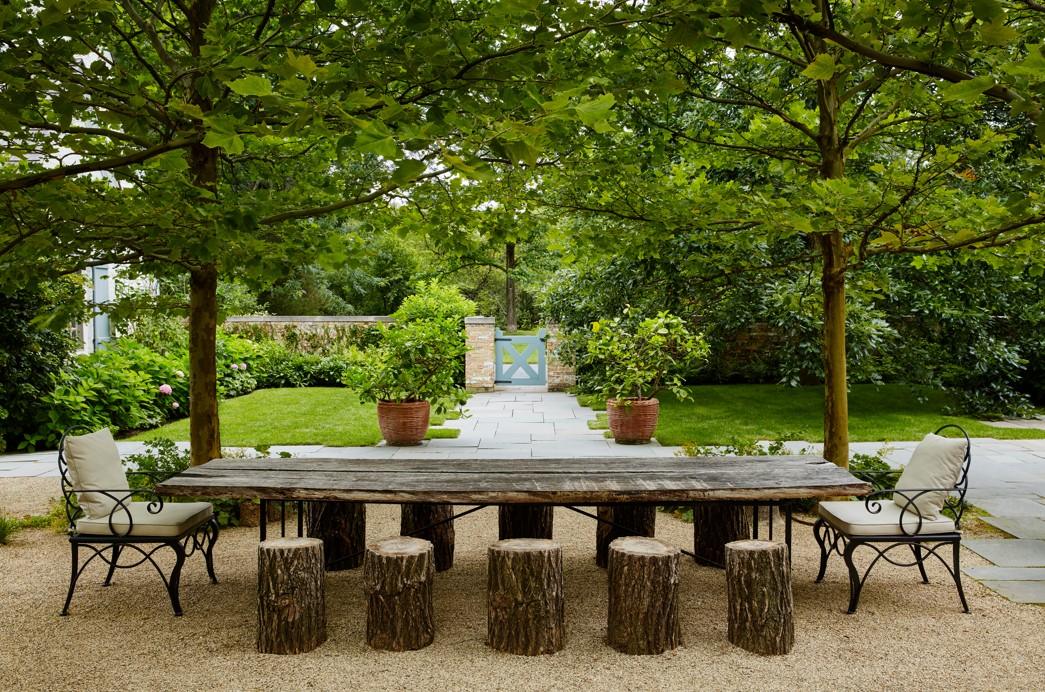
The first of the 8 essential steps for elevated landscape maintenance that stands the test of time begins with perspective. Your estate is not static. It is a dynamic living system shaped by soil conditions, plant maturity, drainage patterns, and structural relationships between roots and foundations.
Walk your property with intention. Observe canopy density. Study how water flows after rainfall. Note which shrubs have lost their shape or are beginning to crowd outside of their borders onto walls or across walkways. Experts will take this step with you, discussing your plans to lay the foundation for an annual property maintenance checklist tailored to your estate.
Historic properties benefit from an integrated property care approach that views turf health, tree growth, irrigation, and masonry preservation as interconnected elements. When you assess your landscape as a system rather than a checklist, you are planning for long-term stewardship rather than surface-level fixes.
For a deeper understanding of how estate-level stewardship differs from routine service, explore our guide: “Landscape Maintenance for Estate Homes.”
Step 2: Define Seasonal Requirements
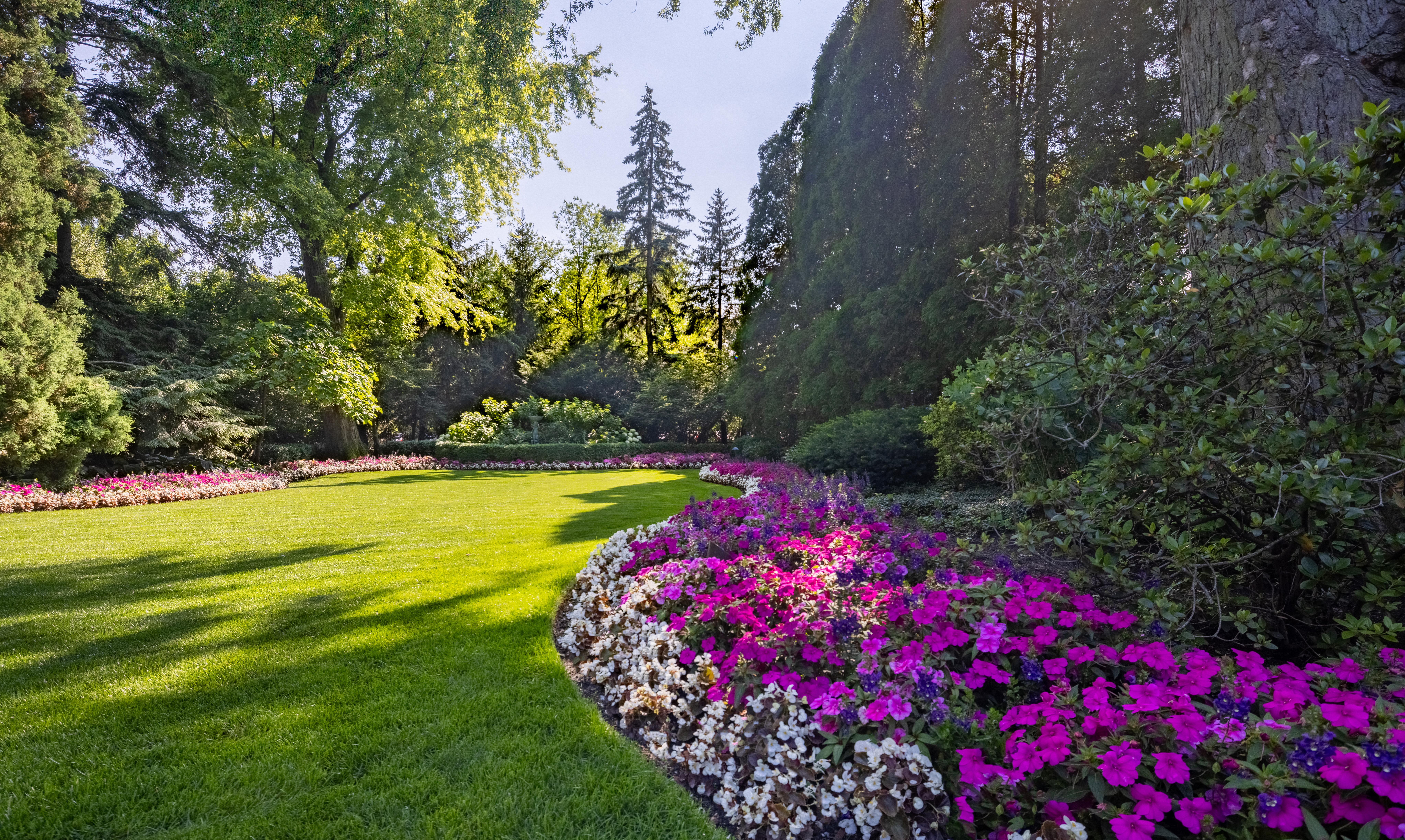
While seasonal plans are a must for elevated landscape maintenance, be aware of generic, one-size-fits-all services. Historic properties are unique. Each property varies in topography and plant material, with pockets of microclimates that each require their own approach.
Your historic property was preserved for a reason: it is unique. Preserving it into the future requires a unique approach.
That being said, there are certain tasks that should be routinely performed every season:
- Spring is a time to focus on drainage inspections, structural pruning, and irrigation setup/testing. Preemptive weeding and anti-pest applications and techniques should be applied. Tree branches should be planned before the growth phase kicks in, so early spring/late winter can work.
- Summer is a time for monitoring and maintenance. Irrigation systems should be routinely checked and adjusted as temperatures rise. Storm damage may need to be attended to. Signs of overgrowth should be monitored, especially for creeping plants such as ivy around architecture. Pests emerge at various stages throughout the summer and should be monitored for.
- Fall is a time for cleanup. Leaves need to be removed to preserve lawns and prevent fungal growth. Branches and other debris should be cleared. Garden beds should be fertilised to give them a strong start the following spring.
- Winter is a time for closing down. Irrigation systems need to be switched off to prevent freezing damage. Winter is also a great time for tree pruning: without their leaves, branch structure is easier to determine. Pruning during this time enables better plant recovery and reduces the risk of disease.
Remember, this seasonal guideline presents the bare minimum of traditional landscape maintenance. At Mariani Landscape, each client receives a dedicated Client Representative, a liaison between you and our team of experts. Working together, our specialists create a detailed annual plan that is tailored to your unique historic property, designed for long-term preservation.
Step 3: Develop A Mature Tree And Canopy Strategy
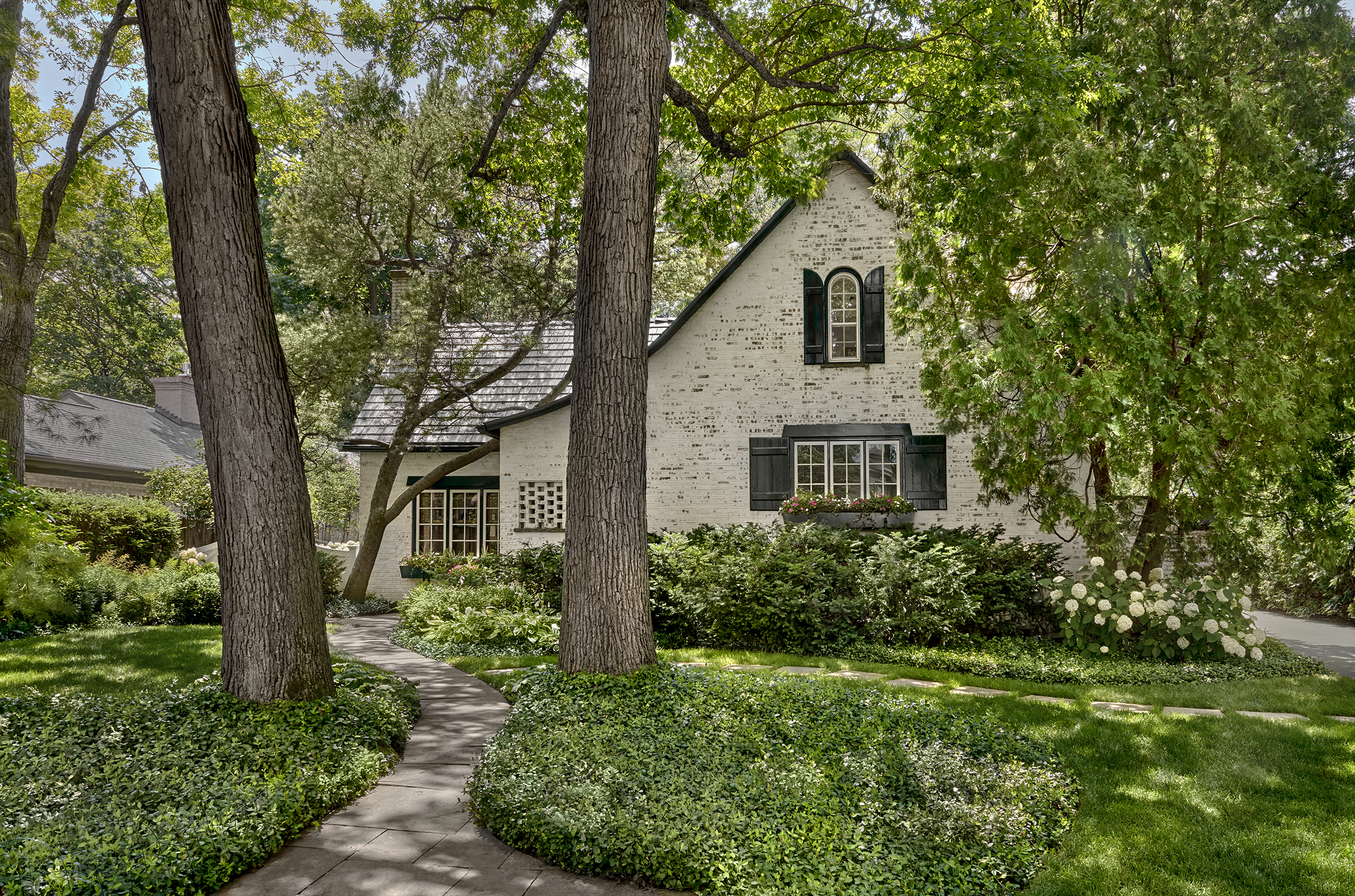
Mature trees represent nature’s timescale of history. They define the character of historic estates, often playing an essential role in the overall impression visitors see. Mature trees also pose unique challenges.
Consider the following when planning mature tree care:
- Branches need to be evaluated for threats to property, such as branches that hang over roofs, driveways, and walkways
- Roots need to be assessed for encroachment towards foundations or walkways
- Garden bed placement and tree canopies are interrelated. Certain plant species will thrive in shade where others need direct sun exposure
- Structure: Does the structure provide balance, or are branches overgrown?
- Unique/exotic species: Historic estates often contain unusual trees that require specialist knowledge to maintain or replace
- Pruning during winter dormancy phase: most trees don’t grow in winter, making this the ideal time to plan pruning
Planning for mature trees on historic sites early prevents costly mistakes and restorations later, while preserving the estate’s natural history.
You can learn more about long-term property care strategy in our detailed guide, “Landscape Maintenance for Estate Homes.”
Step 4: Protect Architectural Features Of Historic Homes
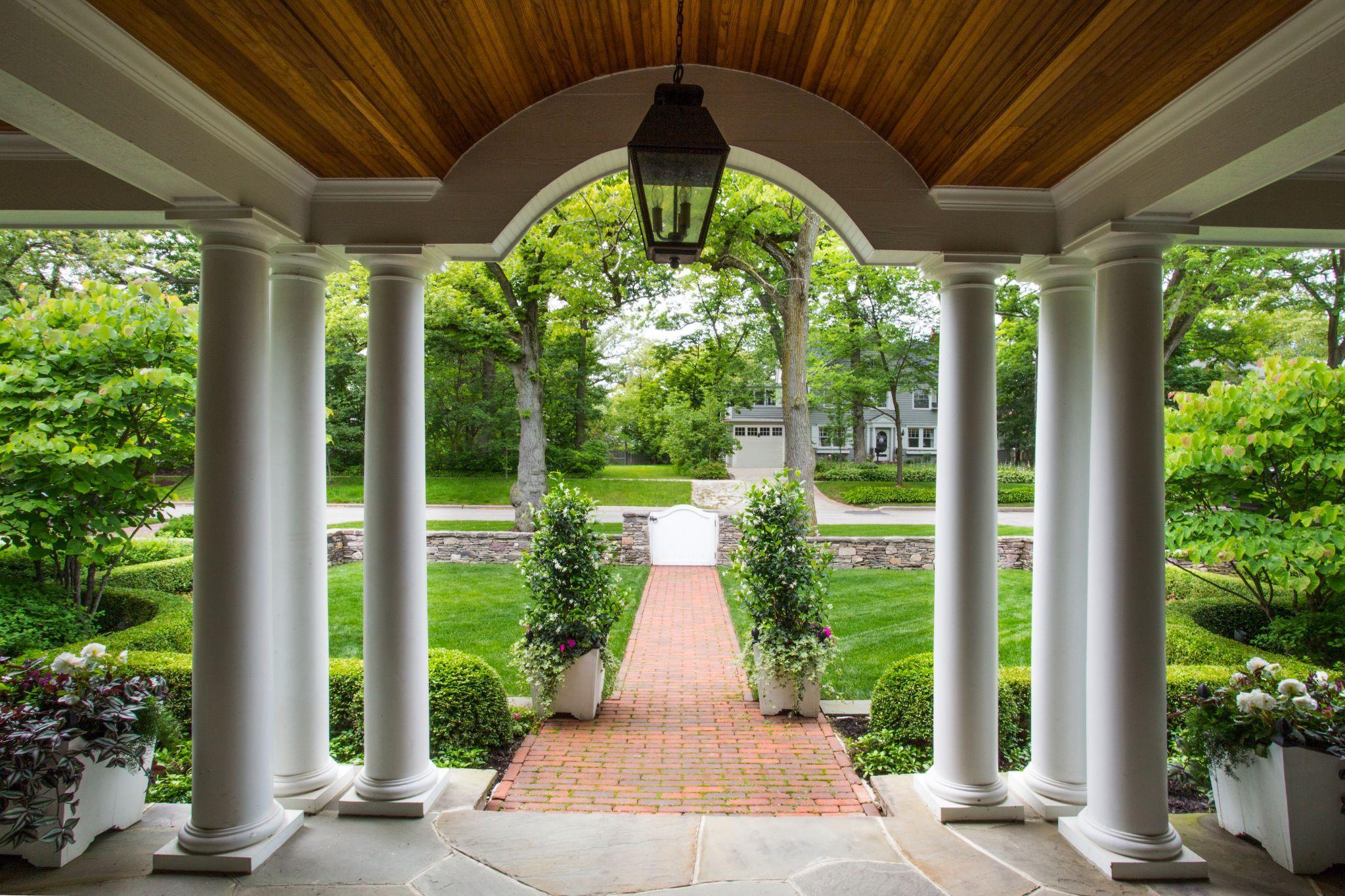
One of the most essential steps when landscaping historic properties is paying consistent attention to plant placement near architectural elements.
Ivy should be carefully monitored and trimmed. Ivy that attaches to wood window frames traps moisture, making it a major source of damage to wood and masonry.
Any landscaping near to the property is a potential source of damage through moisture buildup and root encroachment. Ensure shrubs allow airflow against brick and limestone surfaces. Review vine growth near gutters and rooflines. Trim branches that may be dropping excessive leaves into eavestroughs, causing blockages.
Damage isn’t the only issue in historic home preservation. Upkeep and trimming keep the focus on the architecture, rather than obscuring it.
Step 5: Add Smart Irrigation Systems And Regularly Test Them
Watering practices are a cornerstone of any property management practice, but for historic properties, watering mistakes could damage unique plantings beyond repair.
Fortunately, modern irrigation smart technology takes the pressure off homeowners. Smart irrigation sensors:
- Respond automatically to soil conditions and rainfall
- Can self adjust to water at optimal times of day
- Receive real-time data from local weather stations and adjust automatically
Integrating irrigation into your year-round landscape maintenance plan prevents both drought stress and excess moisture, common causes of plant and turf damage.
Irrigation systems should still be monitored by a professional team. Experts ensure:
- Irrigation systems are set up correctly in the spring
- Tested and adjusted through the summer
- Closed down in the winter to prevent damage
A reliable, modern irrigation system is an upgrade that helps protect historical properties. Work with professionals to ensure that irrigation systems protect rather than threaten historical foundations.
Step 6: Work With Expert Professionals Who Maintain Your Vision

Maintaining historic estate landscaping is the work of a lifetime. Specialist oversight ensures that problems are addressed early, protecting your long-term investment and preserving the property for future generations. But not all professional services are created equally.
For historic landscape preservation, work with a team that:
- Treats your historic property with the respect it deserves
- Adapts to your property rather than forcing a generalized approach
- Maintains open, transparent communication with you to address problems early
- Works to maintain your vision of the property while preserving historic elements
- Understand the requirements of the often unique tree and garden bed species found in historic properties
At Mariani Landscape, every client receives a dedicated Client Representative who works with you to understand your property’s history and your long-term goals. This structure ensures clear communication and accountability. Behind that representative stands a team of detail-oriented experts who observe your estate throughout the year, working with landscape designers to preserve the original design intention.
Our team also has access to rare and unusual plant materials that are hard to source elsewhere. This expertise helps tailor to the unique needs of your property and helps provide replacement species when needed. Our principles are guided by our founder, Frank Mariani, and our over 70 years of landscape stewardship.
Step 7: Schedule Annual Landscape Reviews
Schedule an annual review at a minimum to compare documentation from prior seasons. This strengthens historic landscape care planning by ensuring adjustments are based on observation rather than assumption.
An annual review should include:
- Detailed records of plant growth and health across garden beds
- Turf assessment
- Tree canopy assessment
- Checks for pest damage
- Irrigation tests
- Drainage performance
- An opportunity to plan for any changes to overall landscape design and addtions
An annual provides insight into how your landscape responded this year, and creates alignment for the following year. This is the foundation for accurate scheduling and budgeting.
The best property management teams will go beyond annual planning to provide regular check-ins, raising any issues early to allow adequate time to plan, and creating alignment around seasonal event planning and other needs.
Step 8: Adjust Plans As The Property Evolves
The final of the 8 essential steps for historic landscape maintenance that stand the test of time recognizes that no estate remains unchanged.
Trees mature. Climate patterns shift. Plant palettes evolve.
Perhaps your wants and needs change for the space, such as a desire to create more outdoor living spaces for grandkids or hosting.
Revisit pruning schedules when growth accelerates. Update irrigation systems over time. Update plant selections when disease pressures emerge.
An integrated property care approach ensures that each refinement aligns with preservation goals. When adjustments are intentional and documented, is possible to preserve history while carefully making changes that meet your needs.
Preserving Historic Estates Through Structured Care
Historic estates require disciplined planning rather than reactive maintenance. The 8 essential steps for elevated landscape maintenance that stand the test of time provide a framework that aligns mature tree care planning, a structured year-round landscape maintenance plan, and historic home landscape preservation within a cohesive strategy.
When supported by experienced professionals and guided by a culture rooted in accountability, your property receives consistent oversight that protects scale, safety, and architectural detail. If you are ready to apply the 8 essential steps for elevated landscape maintenance that stand the test of time to your estate, contact our team. Our values are rooted in long-term stewardship of the land.
Summary
The 8 essential steps for elevated landscape maintenance that stand the test of time provide a clear framework for guiding historic estate care with structure and foresight. By building a disciplined plan that supports plant maturity, architectural preservation, and thoughtful adjustment, you reduce reactive decisions and protect long-term performance. When applied consistently, the landscape maintenance guide helps ensure your estate remains balanced, resilient, and responsibly maintained across generations.